How To Fix Frizzy Hair: Complete Guide to Smooth, Shiny Locks

If you’re tired of battling frizzy hair every time you step outside, you’re not alone.
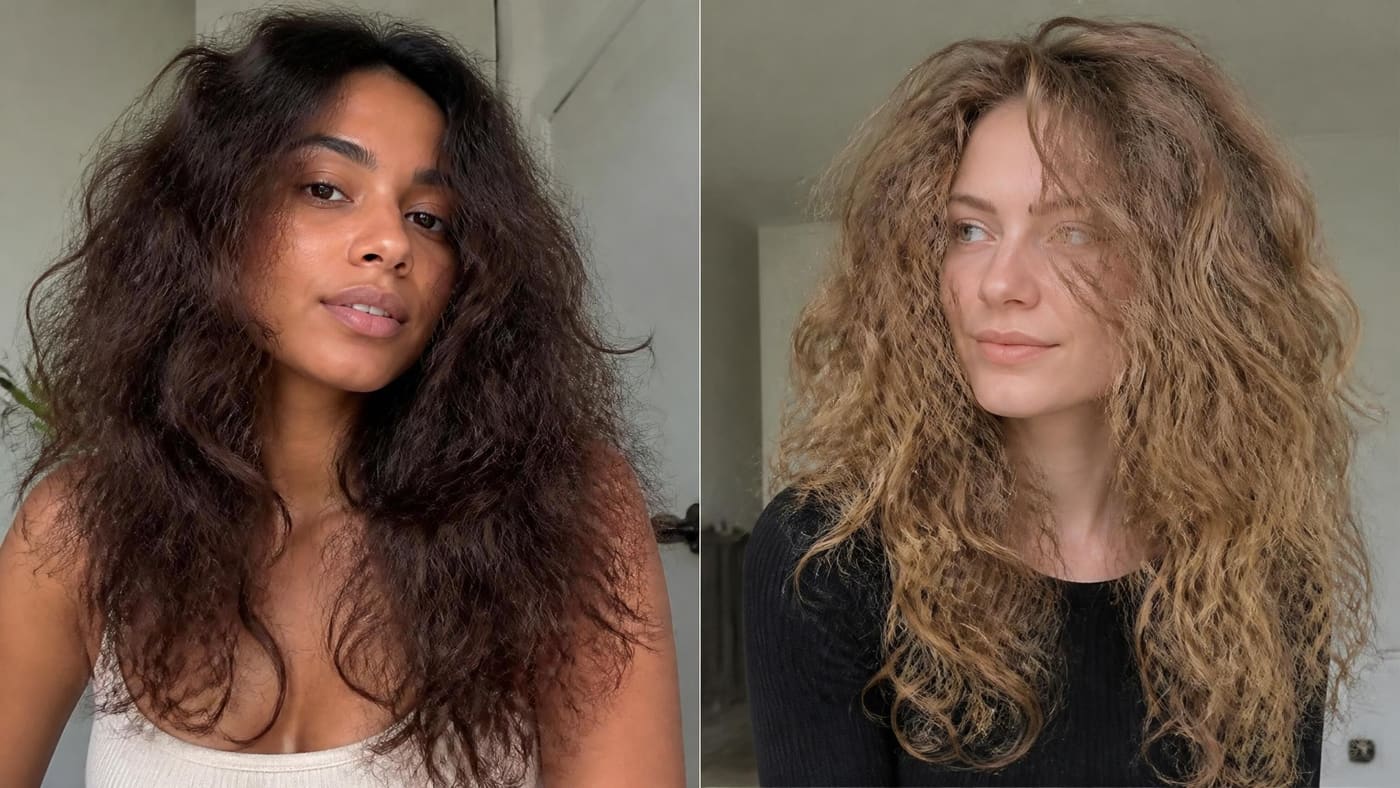
Frizz is one of the most common hair frustrations, and it can make strands feel like they have a mind of their own.
Looking for more choices? Our collection of hairstyles for frizzy hair is a good place to start.
The good news? Frizz is completely fixable with the right approach and products.
This guide covers why frizz happens and what you can do to keep it under control.
Table of Contents
Understanding Why Your Hair Gets Frizzy
Before we jump into solutions, it’s important to understand what causes frizzy hair in the first place.
Your hair becomes frizzy when moisture from the air penetrates the outer layer of your hair shaft, causing the cuticles to swell and stand up.
This is especially true if your hair is dry or damaged.
Several factors contribute to frizz:
- High humidity levels
- Dry or dehydrated hair
- Damaged hair cuticles
- Lack of proper hair care routine
- Using the wrong hair products
- Heat styling without protection
- Harsh water quality
Step 1: Start With a Hydrating Shampoo and Conditioner
The foundation of frizz-free hair starts in the shower. What you use to wash your hair matters a lot.
Choose Sulfate-Free Products
Sulfate-free shampoos are gentler on your hair and don’t strip away natural oils that protect your strands.
When you use regular shampoos with sulfates, you’re essentially removing the protective layer your hair needs to stay smooth and shiny.
Deep Condition Regularly
Incorporate a deep conditioning treatment into your routine at least once a week. These products penetrate deeper into your hair shaft and provide intense hydration.
Apply the conditioner to the mid-lengths and ends of your hair, where frizz typically occurs most.
Step 2: Apply Leave-In Conditioner
One of the most effective tools for fighting frizz is leave-in conditioner.
This product is a game-changer because it continues to hydrate your hair long after you’ve stepped out of the shower.
Apply leave-in conditioner to damp hair, focusing on the ends.
This creates a protective barrier that helps lock in moisture and prevents humidity from causing frizz. You can use it on both wet and dry hair for extra frizz control.
Step 3: Use Hair Serums and Oils
Hair serums and oils are excellent for sealing the hair cuticle and creating a smooth surface. I recommend using products that contain:
- Argan oil
- Coconut oil
- Jojoba oil
- Marula oil
- Silicone-based serums
Apply these products to damp hair before blow-drying, or use them on dry hair as a finishing touch.
Start with a small amount (about the size of a pea) and work it through your hair, avoiding the roots to prevent greasy-looking hair.
Step 4: Master Your Drying Technique
How you dry your hair significantly impacts frizz. Here is a technique that helps:
Use a Microfiber Towel or T-Shirt
Regular towels create friction that causes frizz. Instead, use a microfiber towel or an old t-shirt to gently squeeze water out of your hair.
Avoid rubbing or twisting your hair, as this damages the cuticles and increases frizz.
Blow-Dry Correctly
- Use a blow dryer with ionic technology, which helps reduce frizz by smoothing hair cuticles
- Apply a heat protectant spray before blow-drying
- Use a concentrator nozzle to direct air downward along the hair shaft
- Dry your hair in the direction of the cuticle, which means from roots to ends
- Use medium heat rather than high heat
Step 5: Incorporate Anti-Frizz Products
There are several types of anti-frizz products designed specifically to combat this issue:
Anti-Frizz Creams and Butters
These products are thicker and provide a protective coating. They work best for thick or curly hair types.
Anti-Frizz Sprays
These lightweight products work well for fine or thin hair. Spray them on damp hair before styling or use them as a finishing spray on dry hair.
Smoothing Serums
Smoothing serums contain ingredients that seal the hair cuticle and create a glossy finish. Apply them to the mid-lengths and ends of your hair.
Step 6: Try a Hair Mask Treatment
Once or twice a week, treat your hair to an intensive hair mask treatment.
These products contain high concentrations of moisturizing ingredients that deeply nourish your hair.
Apply the mask to damp hair, focusing on the ends and mid-lengths.
Leave it on for 10-20 minutes (or follow the product instructions), then rinse thoroughly. Your hair will feel softer and look shinier immediately.
Step 7: Minimize Heat Styling
While heat styling tools are convenient, they damage your hair and make it more prone to frizz. I recommend:
- Limiting heat styling to 2-3 times per week
- Using heat protectant products every single time
- Choosing lower heat settings when possible
- Letting your hair air-dry occasionally
Step 8: Get Regular Trims
Split ends are a major contributor to frizzy hair. When your hair is damaged at the ends, it becomes more porous and absorbs moisture easily, leading to frizz. Get a trim every 6-8 weeks to keep your hair healthy and manageable.
Step 9: Adjust Your Diet and Hydration
Healthy hair starts from within. Make sure you’re:
- Drinking plenty of water daily
- Eating protein-rich foods
- Including omega-3 fatty acids in your diet
- Taking biotin or hair vitamins if recommended by your doctor
Step 10: Consider Your Environment
Finally, be aware of your surroundings. On humid days, your hair will be more prone to frizz. Keep these tips in mind:
- Use anti-humidity sprays before going outside
- Carry a small serum or smoothing product with you for touch-ups
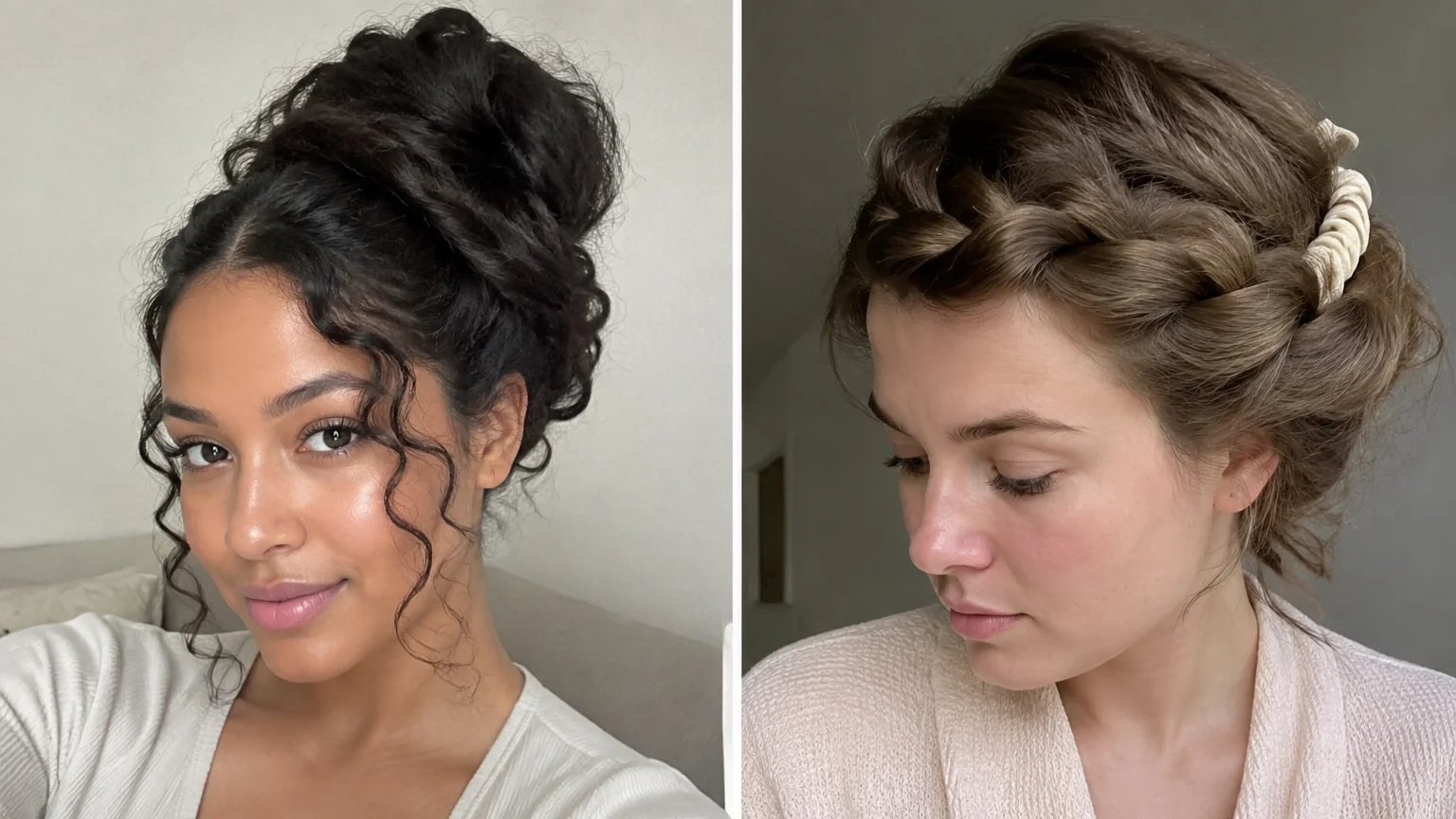
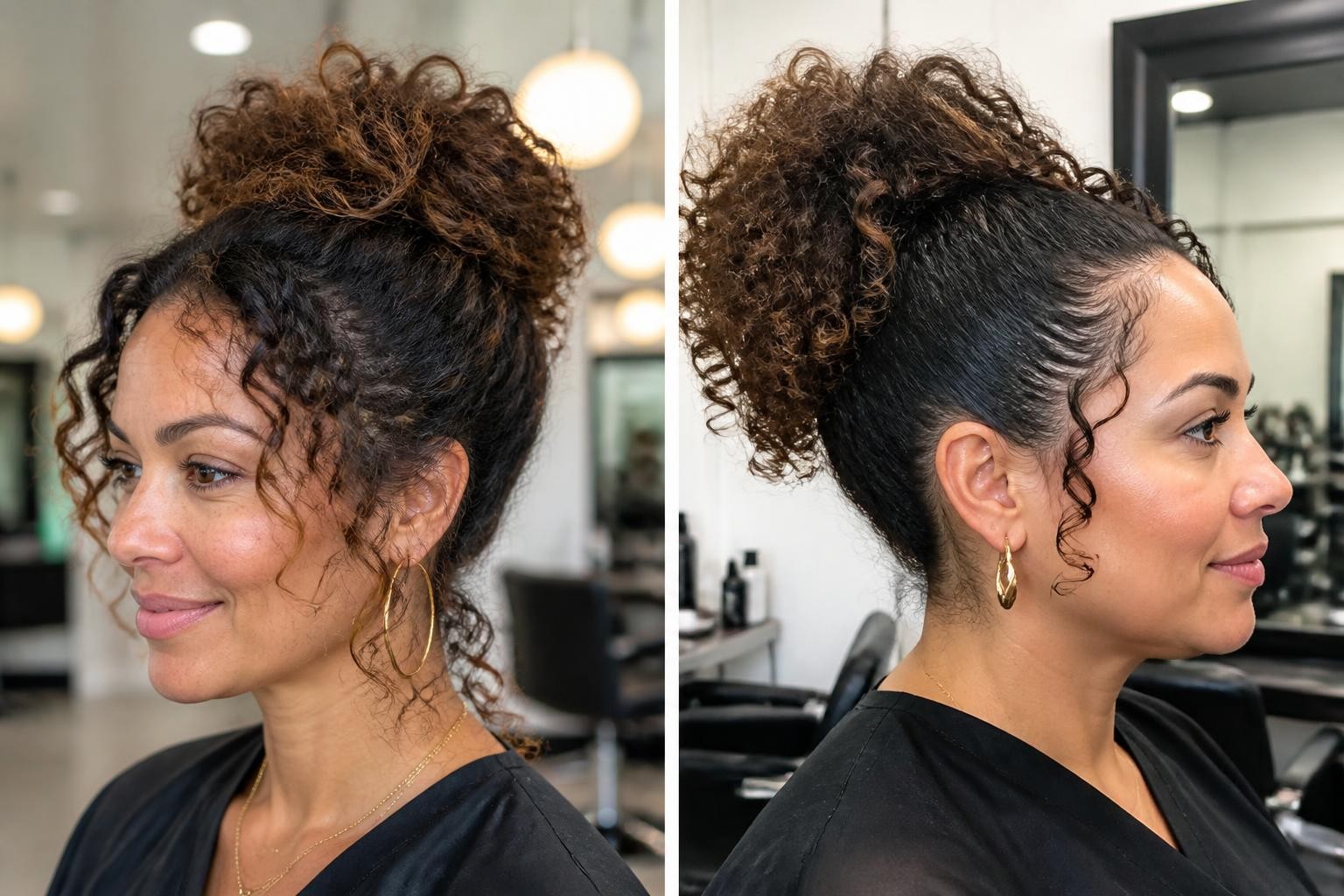
- Try protective hairstyles like braids or buns on particularly humid days
Final Thoughts
Fixing frizzy hair requires a multi-step approach that combines the right products, proper techniques, and lifestyle habits.
Start implementing these steps gradually, and you’ll notice significant improvement in your hair’s texture and appearance.
Remember, consistency is key. It typically takes 2-3 weeks of following a proper routine before you see major results.
Your journey to smooth, frizz-free hair starts today. Which tip will you try first?
For the care side of things, see our guide on how to style knotless braids.
Still deciding? You might also like hairstyles for frizzy hair for women and hairstyles for puffy frizzy hair.