How to Treat Split Ends at Home: A Complete Guide
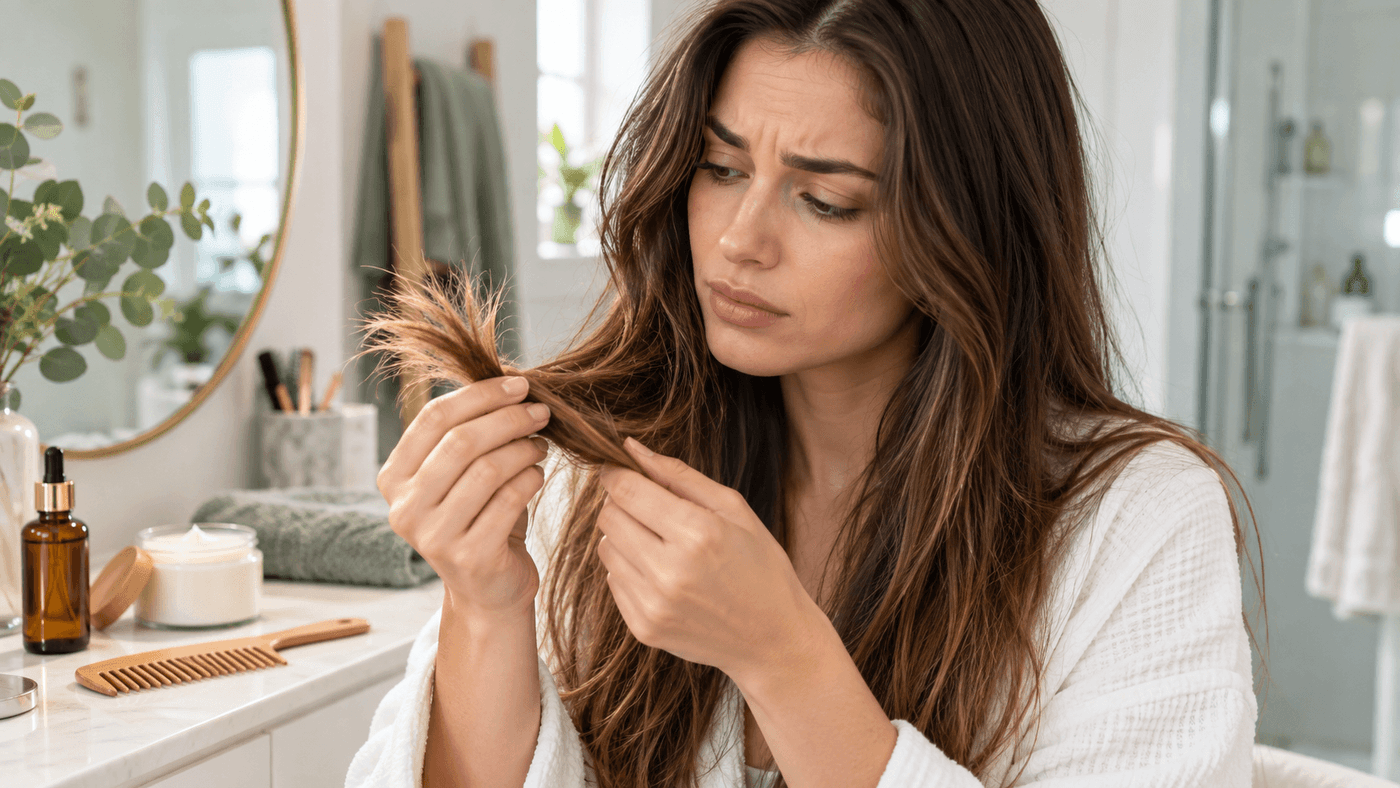
Split ends happen when the protective outer layer of your hair, called the cuticle, wears away at the tips. This leaves the inner hair shaft exposed, causing the strand to split into two or more thin pieces.
Split ends make hair look dry, frizzy, and dull, and they can slow down your hair growth goals if left untreated.
If you want even more options, start with our roundup of elegant hairstyles for long hair.
The good news is you do not need an expensive salon visit to manage this problem. With the right home remedies, tools, and hair care habits, you can reduce split ends and keep your hair looking healthier for longer.
Table of Contents
What Causes Split Ends
Before treating split ends, it helps to understand why they form in the first place. Split ends are essentially a sign of wear and tear on the hair strand, and several everyday habits speed up this process.
Common causes include:
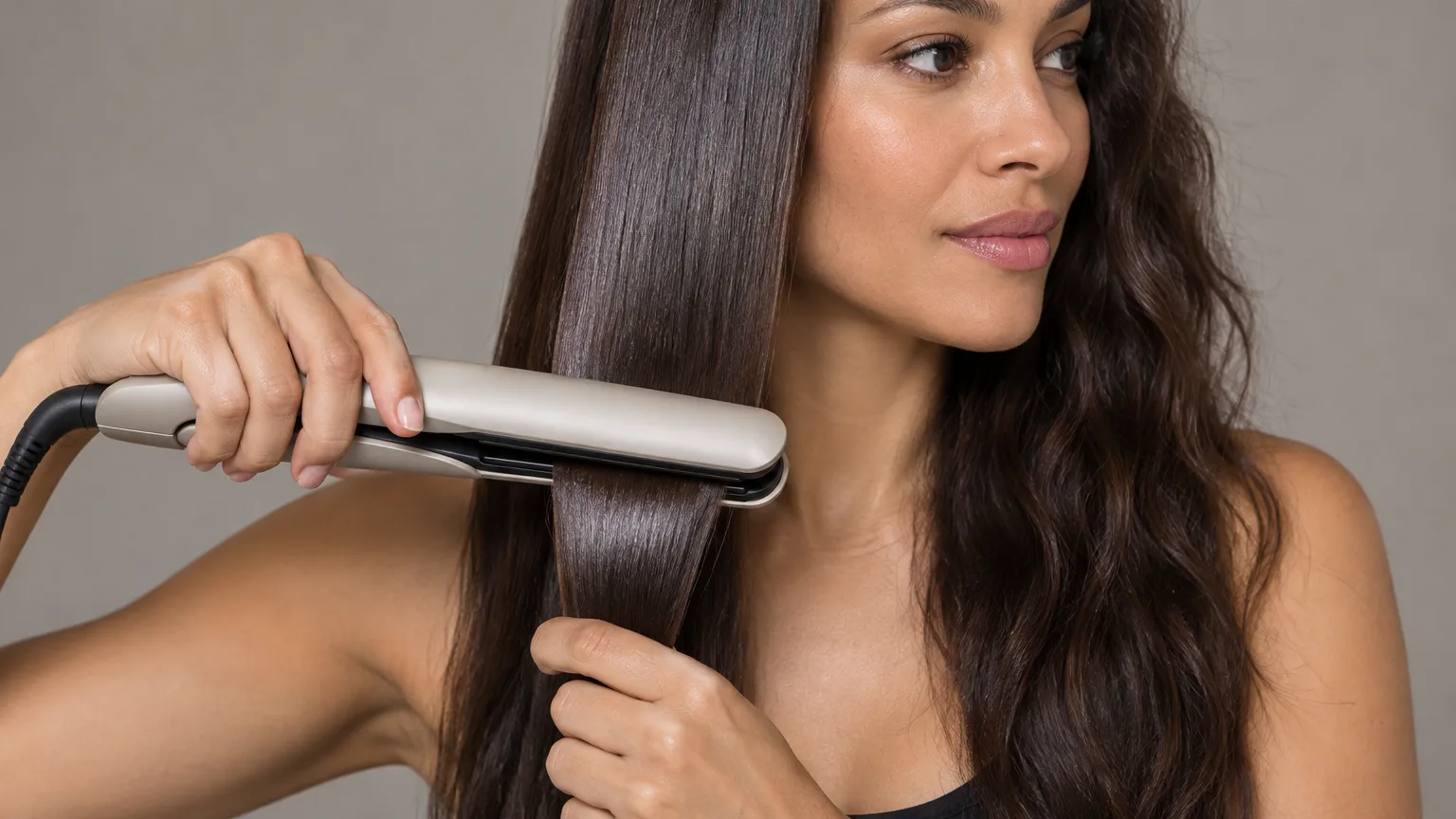
- Excessive heat styling from flat irons, curling wands, and blow dryers
- Chemical treatments like coloring, perming, or relaxing
- Rough towel drying and brushing wet hair
- Overwashing, which strips natural scalp oils
- Environmental stress from sun, wind, and pollution
- Using low quality hair ties or tight hairstyles
- Brushing hair too often or too aggressively
Once a strand splits, there is no way to fully repair it from the inside. The only permanent fix is trimming. However, home treatments can smooth the hair cuticle, reduce breakage, and prevent new split ends from forming further up the strand.
Types of Split Ends
Not all split ends look the same. Knowing the type can help you choose the right treatment approach.
Home Remedies to Treat Split Ends

Oil Treatments for Hair Repair
Natural oils are one of the most effective ways to nourish dry, damaged hair. They work by coating the hair shaft and sealing in moisture, which reduces friction and breakage between strands.
Focus the oil on the bottom three to four inches of your hair, since this is the oldest and most damaged part of the strand. Applying oil before washing can also act as a barrier, protecting hair from the drying effects of shampoo.
Deep Conditioning Masks
A weekly deep conditioning routine restores moisture and improves hair elasticity. You can make an effective mask at home using ingredients you likely already have in your kitchen.
Try mixing mashed banana, honey, and a tablespoon of yogurt. Banana is rich in potassium and natural oils, honey works as a humectant that locks in moisture from the air, and yogurt contains protein that strengthens weak strands.
Apply this mask from mid length to ends, leave it on for 30 minutes, then rinse with lukewarm water.
Egg masks are another popular option since eggs are packed with protein and biotin, both of which support hair strength and reduce hair breakage. Whisk one egg with a tablespoon of olive oil, apply to damp hair, and rinse after 20 minutes with cool water to avoid cooking the egg.
Avocado is also worth trying. It is loaded with healthy fats and vitamin E, which can soften rough texture and add shine to dull, damaged ends.
Aloe Vera for Hair Health
Aloe vera gel is known for its soothing and moisturizing properties. It contains enzymes that promote healthy hair growth while calming an irritated scalp.
Apply fresh aloe vera gel directly to the ends and leave it for 20 minutes before rinsing. Regular use can also reduce dandruff, which often contributes to dry, flaky ends.
Hot Oil Treatments
A hot oil treatment boosts blood circulation, opens up the hair cuticle, and allows better oil absorption.
Warm your chosen oil slightly, apply it to your scalp and ends, then wrap your hair in a warm towel for 15 to 20 minutes. This gentle heat helps the oil penetrate deeper than a cold application would.
Daily Habits That Prevent Split Ends
Treating split ends is only half the job. Preventing new ones requires small changes to your everyday routine.
Reduce Heat Styling
Limit the use of flat irons and curling tools to two or three times a week at most. When you do use heat, always apply a heat protectant spray first to shield the cuticle from damage, and keep tools set to a moderate temperature rather than the highest setting.
Switch to Gentle Hair Care Tools
Use a wide tooth comb instead of a brush on wet hair, since hair is most fragile when damp. Microfiber towels or an old cotton t-shirt work better than regular towels because they cause less friction and reduce frizz.
Trim Regularly
Getting a trim every 8 to 12 weeks removes damaged tips before they split further up the strand. This keeps your hair looking fuller and prevents the split from traveling upward, which can eventually require a much bigger cut.
Protect Hair While Sleeping
Switch your pillowcase to silk or satin. Cotton pillowcases absorb moisture and create friction, which weakens hair over time. Tying hair loosely in a braid before bed also reduces tangling and breakage overnight.
Watch Your Diet
Hair health starts from within. A diet rich in protein, biotin, omega 3 fatty acids, and zinc supports stronger hair growth.
Foods like eggs, nuts, spinach, and fish are excellent choices for improving hair texture and reducing brittleness. Staying hydrated also plays a role, since dehydrated hair is more prone to snapping and splitting.

Choosing the Right Hair Products
Look for shampoos and conditioners labeled as sulfate free, since sulfates can strip natural oils and dry out your ends. Ingredients like keratin, shea butter, and glycerin help repair and protect the hair cuticle over time.
Leave in conditioners and hair serums with silicone can also smooth the surface of the hair, temporarily binding split ends together and reducing visible frizz until your next trim.
Avoid alcohol based products, since these can dry out already fragile ends.
A good routine makes every look easier, so check out our guide on how to do peekaboo hair color at home.
Keep exploring: long hair with bangs hairstyles and Neapolitan hair highlight ideas for long hair.