
How to Make Rosemary Oil for Hair: The Complete DIY Guide
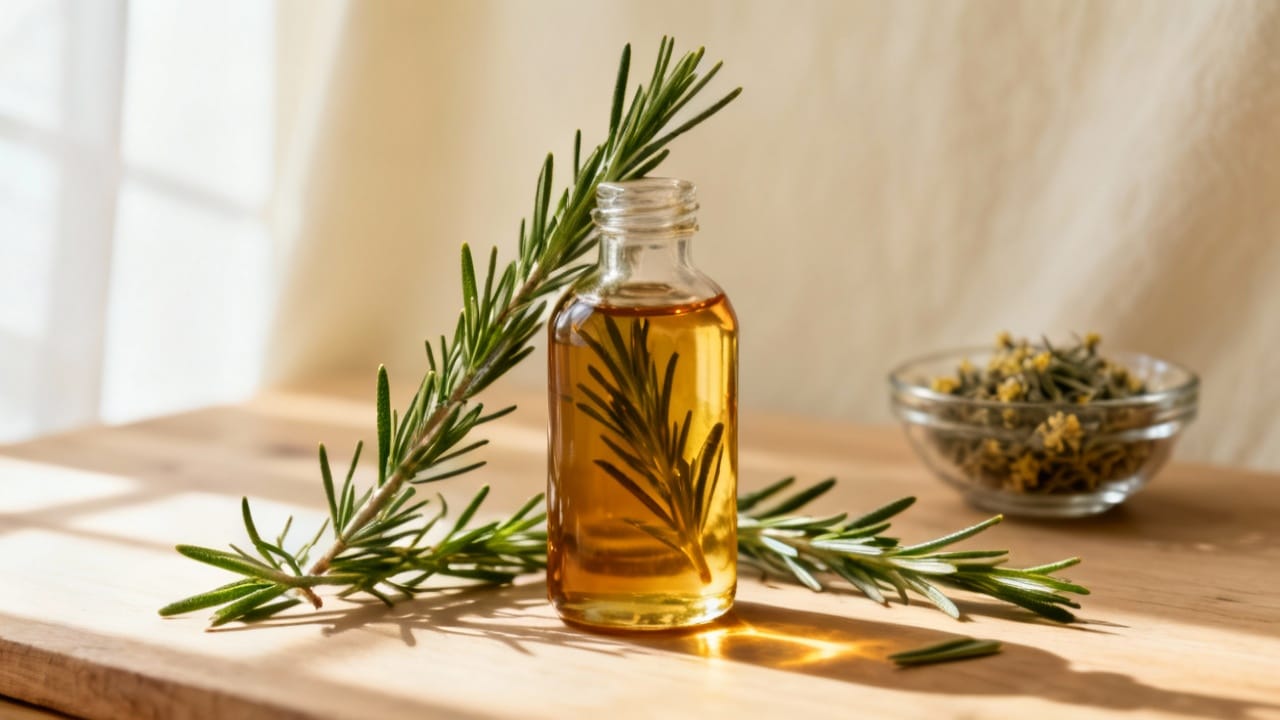
If you’ve been scrolling through Pinterest or Facebook and noticed countless posts about rosemary oil for hair, you’re not alone. This natural remedy has become a game-changer for people looking to improve their hair health without expensive salon treatments.
I’m here to share everything you need to know about making your own rosemary oil at home, and trust me, it’s easier than you think.
Table of Contents
Why Rosemary Oil Is Perfect for Your Hair
Before we jump into the how-to, let’s talk about why rosemary oil for hair growth has become such a popular topic. Rosemary contains powerful compounds that can help stimulate blood flow to your scalp, which means more nutrients reach your hair follicles.
Studies have shown that rosemary oil can be as effective as some commercial treatments for promoting hair growth and reducing hair loss.
The benefits you can expect include:
- Increased hair growth and thickness
- Reduced dandruff and scalp irritation
- Improved scalp circulation
- Stronger, shinier hair
- Natural shine without harsh chemicals
What You’ll Need to Make Rosemary Oil
Making homemade rosemary oil requires just a few simple ingredients that you probably already have at home. The best part? You don’t need any fancy equipment.
Essential Ingredients
- Fresh or dried rosemary leaves (about one cup)
- Carrier oil like coconut oil, jojoba oil, or olive oil (two to three cups)
- A glass jar with a tight-fitting lid
- Cheesecloth or fine mesh strainer
- Dark glass bottles for storage
I recommend using dried rosemary because it’s more concentrated and easier to work with than fresh rosemary. You can find it at any grocery store or health food shop.
Method 1: The Infusion Method (Fastest Option)
This is the quickest way to make rosemary oil because you can use it within a few hours. Here’s how to do it:
- Measure two cups of your chosen carrier oil into a glass jar
- Add one cup of dried rosemary leaves to the oil
- Seal the jar tightly and place it in a warm spot (like a sunny windowsill)
- Let it sit for three to four hours, shaking the jar every thirty minutes
- Strain the mixture using cheesecloth or a fine mesh strainer
- Pour the strained oil into dark glass bottles for storage
The key here is consistency. By shaking the jar regularly, you help release the beneficial compounds from the rosemary into the oil more quickly. Use dark glass bottles, because they protect the oil from light damage and help it last longer.
Method 2: The Cold Infusion Method (Best for Potency)
If you’re willing to wait a bit longer, this method creates a more potent rosemary hair oil. It takes about two weeks, but the results are worth the patience.
- Fill a clean glass jar with dried rosemary leaves until it’s about one-third full
- Pour your carrier oil over the rosemary until the jar is completely full
- Seal the jar tightly and store it in a cool, dark place
- Leave it undisturbed for two weeks
- After two weeks, strain the oil using cheesecloth
- Bottle your finished homemade rosemary oil in dark glass containers
This method produces a more concentrated oil because the rosemary has more time to release its properties. Store it in a cool cabinet away from direct sunlight.
Method 3: The Heat Infusion Method (For the Impatient)
Want results even faster? This method works in just one day, though some people worry it might reduce the oil’s potency slightly.
- Pour two cups of carrier oil into a slow cooker or double boiler
- Add one cup of dried rosemary leaves
- Heat on low for four to six hours, making sure the oil never gets too hot (you should be able to touch it comfortably)
- Let it cool completely to room temperature
- Strain through cheesecloth
- Store in dark glass bottles
Never use high heat because excessive temperature can damage the beneficial compounds in both the rosemary and the carrier oil.
Choosing the Right Carrier Oil
The carrier oil you choose affects how your rosemary oil for hair works. Here are the best options:
- Coconut oil: Great for all hair types and adds extra conditioning benefits
- Jojoba oil: Mimics natural scalp oils and works well for sensitive scalps
- Olive oil: Rich and nourishing, perfect for dry hair
- Almond oil: Lightweight and good for fine hair
- Argan oil: Expensive but provides excellent shine and protection
Coconut oil is an affordable option, though it can feel heavy on fine hair. Lighter oils like jojoba or grapeseed suit fine hair better.
How to Use Your Homemade Rosemary Oil
Now that you’ve made your DIY rosemary oil, here’s how to get the best results:
- Apply two to three tablespoons to your scalp, focusing on the roots
- Use your fingertips to massage the oil into your scalp for five minutes
- Leave it on for at least thirty minutes, or overnight for deep conditioning
- Shampoo thoroughly to remove the oil
- Use two to three times per week for best results
You can also add a few drops to your regular shampoo or conditioner for an easy way to use it daily.
Storage and Shelf Life
Your homemade rosemary oil will last about six months when stored properly. Keep it in dark glass bottles away from heat and direct sunlight.
Always check for any off smell or changes in appearance before using.
Final Thoughts
Making your own rosemary oil for hair is an affordable, natural way to improve your hair health. Whether you choose the quick infusion method or prefer to wait for the cold infusion approach, you’ll end up with a powerful hair treatment that rivals expensive commercial products. Start using your homemade oil today and watch your hair transform within weeks.
A good routine makes every look easier, so check out our guide on how to style short hair.
Keep exploring: protective natural hairstyles for hair growth, pixie haircuts, and curly haircuts.